
Introduction
Muscle stiffness and tension are common problems that can affect people of all ages. Spending long hours sitting at a desk, maintaining poor posture, exercising intensely, or experiencing daily stress can cause muscles to feel tight, sore, and uncomfortable. While stretching and massage may provide relief, some people also explore traditional therapies to manage muscular discomfort. One such treatment is cupping therapy, a technique that uses gentle suction to create a vacuum effect on the skin. It is commonly used as a complementary approach for muscle relaxation and pain management. But does it actually work? Can it help with tight shoulders, back discomfort, or muscle soreness? Let’s understand how this therapy works, its potential benefits, and when you should consider it.
Add Your Heading Text Here
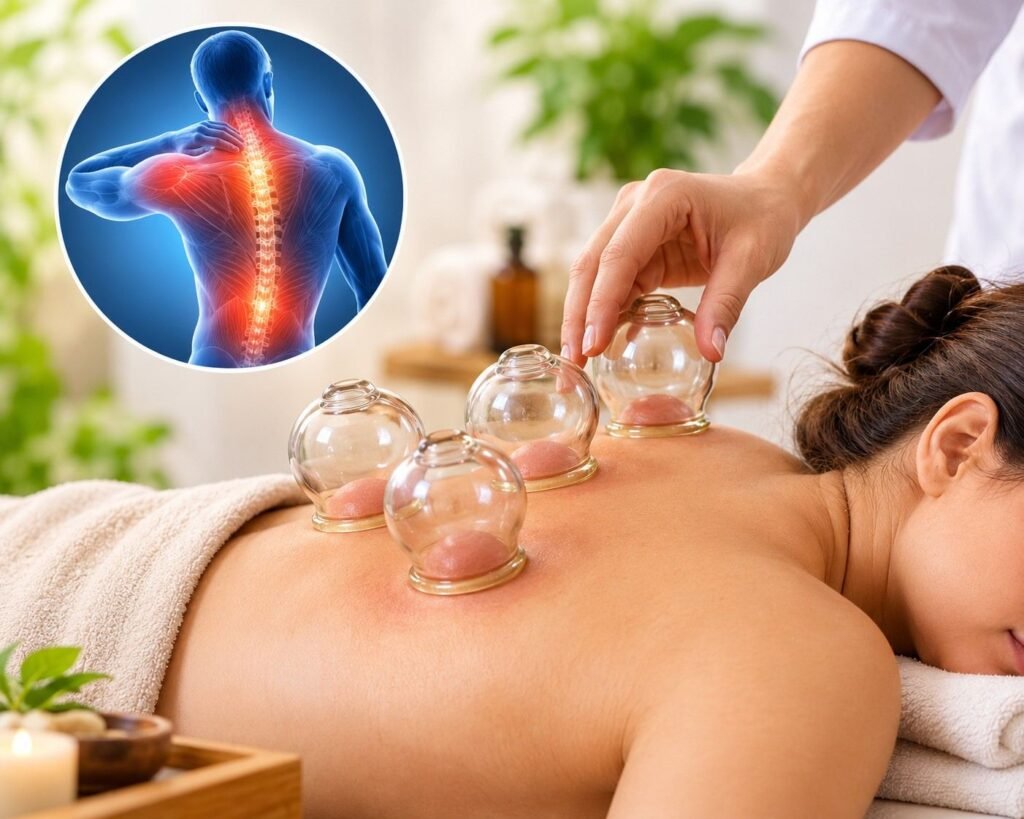
Cupping therapy is a traditional treatment technique in which special cups are placed on the skin to create suction. This suction gently pulls the skin and underlying tissues upward.
The treatment is commonly used in traditional wellness practices and is now explored as a complementary approach to managing muscular discomfort.
There are two commonly used types:
– Dry Cupping: Uses suction cups without breaking the skin. The cups remain on selected areas for a specific period.
– Wet Cupping: Involves making small superficial cuts before applying suction to draw out a small amount of blood. It requires additional hygiene precautions and professional supervision.
Dry cupping is generally the type discussed when exploring muscle relaxation and stiffness.
How Does Cupping Therapy for Muscle Stiffness Work?
The main principle behind this treatment is controlled suction. When cups are placed on the skin, negative pressure gently lifts the underlying tissues.
This process may influence local circulation, sensory responses, and the way the body experiences discomfort.
People experiencing muscular tension may notice temporary relaxation or reduced soreness following a session.
However, it is important to understand that scientific evidence is still developing. Research suggests possible benefits for certain types of musculoskeletal pain, but the results are not conclusive for everyone.
5 Potential Benefits of Cupping Therapy for Muscle Tension
When performed by a trained professional, cupping may offer several potential benefits as part of a broader wellness routine.
1. May Help Reduce Muscle Discomfort
Muscle discomfort can develop after physical activity, prolonged sitting, or repetitive movements.
Some research suggests that cupping may help reduce the intensity of certain types of musculoskeletal pain. This may make everyday movements more comfortable for some individuals.
However, it should not replace medical treatment when pain is persistent or severe.
2. May Support Local Blood Circulation
The suction created during a session pulls the skin and superficial tissues upward, producing temporary changes in local blood flow.
This local response is one reason the treatment is commonly associated with muscle relaxation.
However, claims that cupping removes toxins or significantly improves overall blood circulation are not supported by strong scientific evidence.
3. May Improve the Feeling of Muscle Relaxation
Tight muscles can make ordinary activities uncomfortable, particularly around the neck, shoulders, and back.
The gentle pulling sensation during treatment may help some people experience temporary relaxation and reduced muscular discomfort.
It can be considered a complementary relaxation technique rather than a guaranteed solution for muscle stiffness.
4. May Support Flexibility and Movement
Muscle tightness can sometimes make stretching and movement feel uncomfortable.
Some studies have reported improvements in flexibility and range of motion following cupping. However, the quality of evidence varies, and more research is needed.
Combining appropriate stretching, physical activity, and professional guidance may provide a more comprehensive approach to improving mobility.
5. May Help With Post-Exercise Soreness
People who participate in regular workouts or physically demanding activities may experience muscle soreness after exercise.
Cupping is sometimes used as a recovery technique to manage this discomfort.
Some individuals report feeling more relaxed after treatment, although evidence supporting its effectiveness for exercise recovery remains limited.
Which Areas of the Body Can Benefit From Cupping?
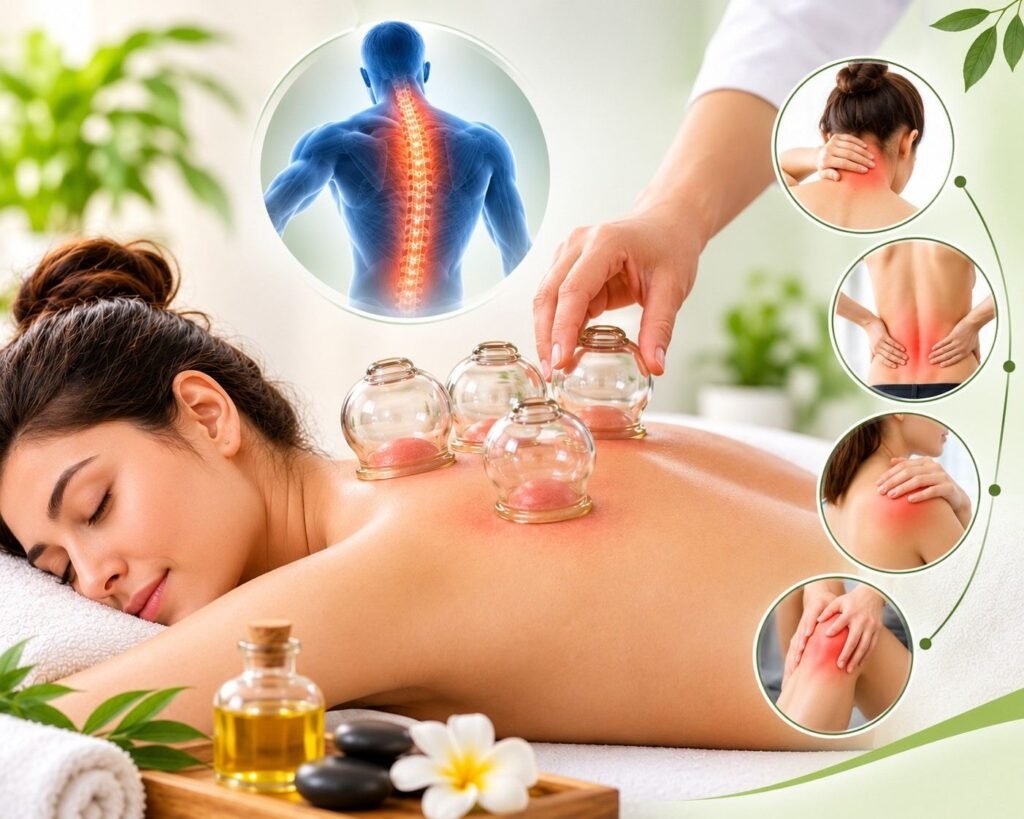
Cupping is commonly applied to selected areas where people experience muscular discomfort.
These may include:
– Neck: For discomfort associated with prolonged screen time and poor posture.
– Shoulders: For tightness caused by repetitive movements or physical stress.
– Upper Back: For muscular tension associated with extended sitting.
– Lower Back: As a complementary approach for certain types of muscular discomfort.
– Legs: For post-exercise soreness and muscular tightness.
The treatment area and suction intensity should always be selected according to individual needs and professional assessment.
Is Cupping Therapy Safe for Everyone?
Although cupping is generally considered a complementary treatment, it is not suitable for everyone.
Temporary circular marks, mild tenderness, and skin irritation can occur after treatment. More serious complications, including burns, infection, and scarring, are possible, particularly when improper techniques are used.
People with bleeding disorders, certain skin conditions, or other medical concerns should consult a healthcare professional before considering treatment.
Pregnant individuals and people taking blood-thinning medication should also seek medical advice.
Always choose a qualified practitioner who follows appropriate hygiene and safety procedures. Never attempt wet cupping or invasive techniques at home.
What to Expect During a Cupping Session?
If you are considering this treatment for the first time, understanding the process can help you feel more comfortable.
A typical dry cupping session may involve the following steps:
1. Initial Assessment: The practitioner discusses your discomfort, health history, and treatment expectations.
2. Treatment Area Selection: The appropriate body area is identified based on your needs.
3. Cup Placement: Special cups are placed on the skin using controlled suction.
4. Treatment Period: The cups remain in place for a professionally determined duration.
5. Aftercare: The cups are removed, and the practitioner provides suitable aftercare instructions.
The experience can vary depending on the treatment technique, individual sensitivity, and practitioner recommendations.
Cupping Therapy vs. Traditional Massage: What’s the Difference?
Both approaches are used to support relaxation, but their techniques are different.
Cupping Therapy Traditional Massage
Uses suction cups Uses hands or massage tools
Gently lifts the skin Applies pressure to soft tissues
May leave temporary circular marks Usually does not leave circular marks
Uses controlled negative pressure Uses rubbing, kneading, and pressure
Neither treatment is universally better. The right option depends on your discomfort, health condition, and professional recommendation.
Conclusion
Muscle stiffness and tension can interfere with daily comfort, productivity, and physical activity. Cupping therapy may be worth exploring as a complementary wellness approach for people looking for additional ways to manage muscular discomfort. While some studies suggest potential benefits for pain relief and flexibility, it is important to remember that results vary and stronger research is still needed. If you are considering this treatment, consult a qualified professional to understand whether it suits your needs. A personalized approach that includes appropriate physical activity, posture correction, and professional guidance can help support long-term muscle health.