
Introduction
Ayurveda has been practised in India for centuries as a holistic approach to maintaining health and well-being. Among its traditional treatment methods, Panchakarma holds an important place. It is an Ayurvedic therapeutic approach that focuses on individualised cleansing procedures, lifestyle adjustments and restoring balance according to traditional Ayurvedic principles. Today, many people explore Ayurvedic therapies to complement their wellness routines and improve their overall quality of life. Understanding the benefits of Panchakarma Therapy can help individuals make informed decisions about whether this traditional approach is suitable for their needs.
What Is Panchakarma Therapy?
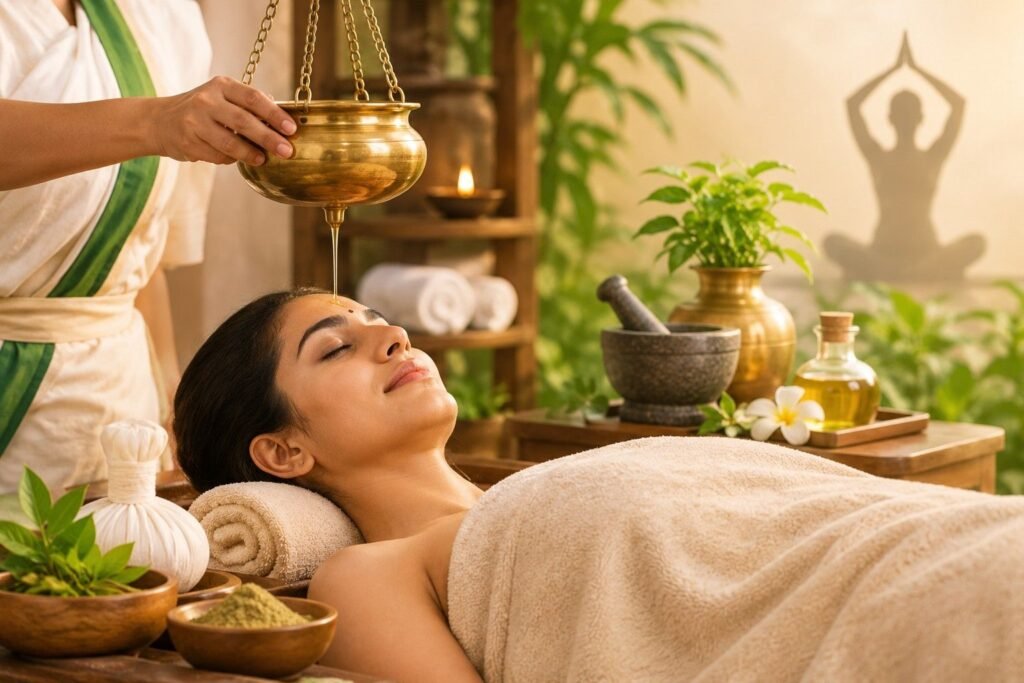
Panchakarma is a traditional Ayurvedic treatment system involving five principal therapeutic procedures. The word Panchakarma comes from two Sanskrit words: Pancha, meaning five, and Karma, meaning actions or procedures.
In Ayurveda, these therapies are traditionally used to address imbalances in the body’s three doshas: Vata, Pitta and Kapha. The treatment plan may include preparatory therapies, cleansing procedures, dietary recommendations and post-treatment care.
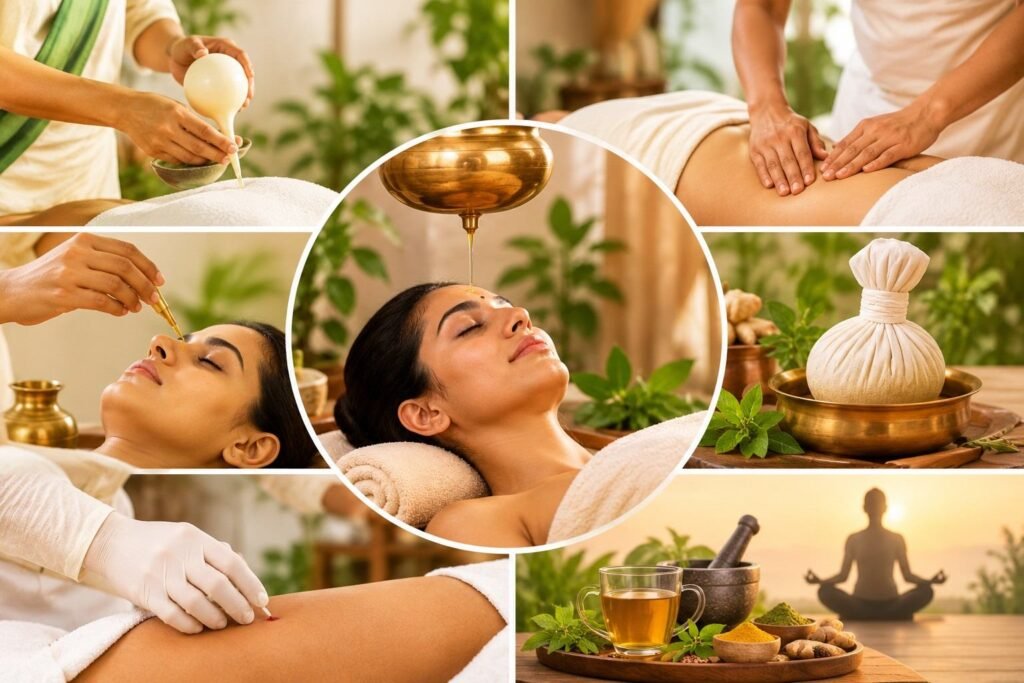
The five classical procedures include:
– Vamana: Therapeutic emesis performed under professional supervision.
– Virechana: Therapeutic purgation as part of an individualised Ayurvedic treatment plan.
– Basti: Medicated enema therapy.
– Nasya: Administration of prescribed preparations through the nasal route.
– Raktamokshana: A traditional bloodletting procedure used in selected cases.
Not everyone requires all five procedures. A qualified Ayurvedic practitioner determines the appropriate approach after assessing an individual’s health and suitability.
Top 10 Benefits of Panchakarma Therapy
Panchakarma is traditionally considered a comprehensive approach to wellness. Here are ten reasons why people explore these Ayurvedic therapies.
1. Supports Digestive Wellness
Digestive health is an important part of Ayurveda. Panchakarma programmes may include dietary adjustments, prescribed therapies and lifestyle recommendations that support digestive comfort.
A personalised diet plan can also encourage healthier eating habits and help individuals become more mindful of their food choices.
2. Promotes Relaxation and Stress Management
Daily responsibilities, work pressure and irregular routines can affect mental well-being. Certain therapies used in Ayurvedic wellness programmes, such as oil-based treatments and relaxation practices, may help individuals feel calmer.
A peaceful treatment environment and dedicated relaxation time can also contribute to a more balanced daily routine.
3. Encourages Better Sleep Habits
Irregular sleeping schedules and everyday stress can interfere with sleep quality. Ayurvedic wellness programmes often emphasise consistent routines, relaxation and appropriate lifestyle practices.
These measures may help individuals develop healthier sleep habits. However, persistent insomnia requires proper medical evaluation.
4. Supports a Healthy Lifestyle
One of the important aspects of Panchakarma is its emphasis on maintaining healthy daily habits.
Depending on individual requirements, practitioners may recommend:
– Balanced and nutritious meals.
– Regular sleeping schedules.
– Appropriate physical activity.
– Adequate hydration.
– Mindfulness and relaxation practices.
These recommendations can encourage long-term lifestyle improvements.
5. Helps Improve Body Relaxation
Some Panchakarma programmes include traditional oil therapies and other external treatments that promote relaxation.
These sessions may help ease feelings of physical tension and provide a calming wellness experience. The specific therapies are selected according to an individual’s condition and suitability.
6. Encourages Mind-Body Balance
Ayurveda considers physical and mental well-being interconnected. Panchakarma programmes may combine therapeutic procedures with dietary guidance, meditation and lifestyle recommendations.
This integrated approach encourages individuals to pay attention to their physical comfort, emotional well-being and everyday habits.
7. Supports Overall Wellness and Rejuvenation
Traditional Ayurvedic practices often emphasise rejuvenation and maintaining balance.
Panchakarma programmes may provide an opportunity to focus on self-care through supervised therapies, appropriate nutrition and relaxation. Individual experiences and outcomes can vary.
8. Promotes Mindful Eating Habits
Diet plays an important role in traditional Ayurvedic treatment programmes.
Practitioners may recommend freshly prepared meals, suitable food combinations and regular meal timings based on individual requirements.
Developing mindful eating habits can support better nutritional choices and contribute to general well-being.
9. Encourages Healthy Daily Routines
A consistent routine can make a difference in maintaining overall wellness. Panchakarma programmes often include recommendations regarding meals, sleep, physical activity and personal care.
Following suitable lifestyle practices after treatment may help individuals maintain healthier habits over time.
10. Provides an Individualised Wellness Approach
Every individual has different health requirements, lifestyle habits and physical conditions.
One important aspect of traditional Panchakarma treatment is individual assessment. A qualified Ayurvedic practitioner considers these factors before recommending specific procedures.
This personalised approach helps ensure that the selected therapies are appropriate for the individual’s needs and health status.
Who Can Consider the Benefits of Panchakarma Therapy?
People interested in traditional Ayurvedic wellness practices may consult a qualified Ayurvedic practitioner to understand whether Panchakarma is suitable for them.
However, these therapies are not appropriate for everyone. Pregnancy, frailty, certain chronic conditions and other medical circumstances may require avoiding or modifying specific procedures.
People taking regular medication or managing existing health conditions should consult their treating healthcare professional before beginning treatment.
Why Choose Professional Guidance for Panchakarma Therapy?
Panchakarma involves specialised procedures that should not be attempted independently at home. The selection, preparation, duration and supervision of treatment are important considerations.
Choosing a professional Ayurvedic centre helps individuals receive an appropriate assessment and understand the recommended treatment plan.
At Urja Wellness Clinic, individuals can explore Ayurvedic wellness services with guidance based on their health requirements. Professional consultation helps determine suitable therapies and relevant lifestyle recommendations.
Conclusion
Panchakarma is an important part of traditional Ayurvedic healthcare, combining specialised procedures with dietary guidance and lifestyle recommendations. From encouraging relaxation and mindful eating to supporting healthier routines, its traditional approach focuses on overall wellness. Understanding the benefits of Panchakarma Therapy is the first step towards making an informed decision. Before starting any procedure, consult a qualified Ayurvedic practitioner to understand its suitability, possible risks and expected outcomes.
If you are exploring Ayurvedic wellness options, consider seeking professional guidance at Urja Wellness Clinic to learn more about personalised care and suitable treatment approaches.