
Introduction
Modern lifestyles can involve long working hours, irregular eating habits, limited physical activity and everyday stress. These factors may encourage people to explore traditional wellness practices that support relaxation and healthier routines. Panchakarma is one such practice within Ayurveda, the traditional Indian system of medicine. For beginners, understanding what Panchakarma involves, how its procedures are selected and what precautions to consider is important before starting treatment. This guide explains the Ayurvedic principles behind Panchakarma, common procedures, preparation and safety considerations for people exploring Panchakarma services in Ghaziabad.
What Is Panchakarma Therapy in Ghaziabad?
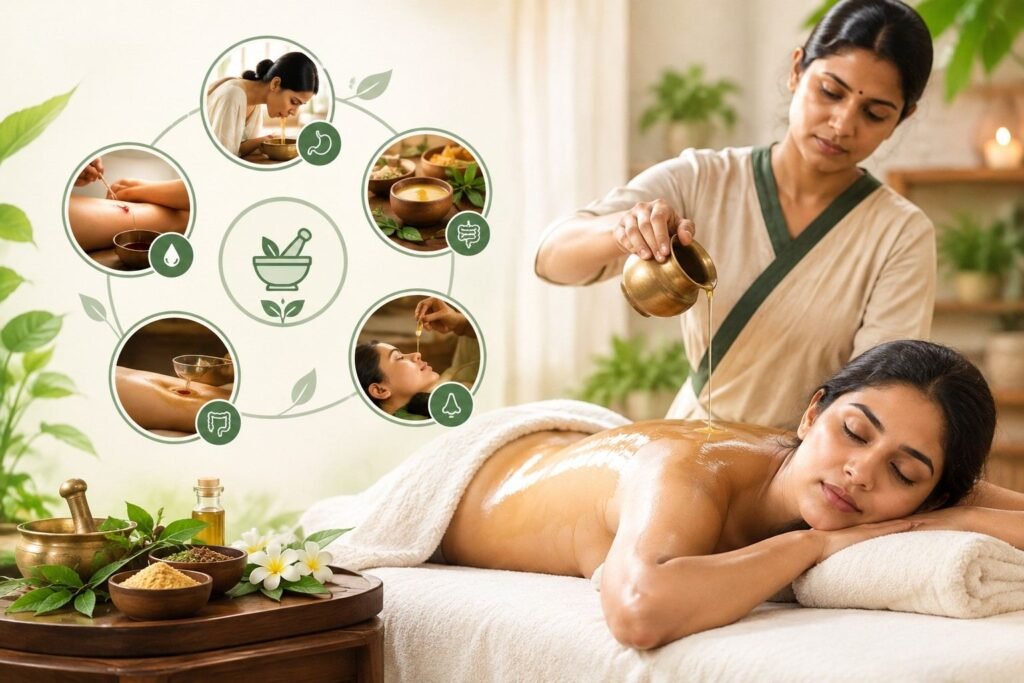
Panchakarma is a traditional Ayurvedic approach that includes specific therapeutic procedures selected according to an individual’s constitution, symptoms and clinical assessment. The word Panchakarma translates broadly to “five actions” and traditionally refers to five principal purification procedures in Ayurveda.
Unlike a standard spa treatment, Panchakarma may involve a structured programme supervised by a qualified Ayurvedic practitioner. Depending on the individual assessment and the specific treatment plan, procedures can include dietary guidance, external therapies and certain specialised interventions.
Although Panchakarma is commonly described as a detox therapy, it is important to understand that claims about removing toxins or treating diseases are not established simply by traditional descriptions. The body’s liver and kidneys already perform essential functions in processing and eliminating waste.
People interested in this approach should seek a proper consultation and understand the potential benefits, limitations and risks before proceeding.
What Are the Five Main Panchakarma Procedures?
Traditional Ayurvedic descriptions identify five principal procedures. Their suitability depends on individual assessment, and not every person requires all five.
1. Vamana
Vamana is a medically supervised therapeutic procedure involving induced vomiting in traditional Ayurvedic practice. It is not a home remedy and can carry risks, including dehydration and electrolyte disturbances.
It should only be considered after careful assessment by an appropriately qualified practitioner.
2. Virechana
Virechana refers to therapeutic purgation in Ayurveda. It involves the supervised use of methods intended to induce bowel evacuation.
This procedure may cause dehydration or other complications if used inappropriately. It should not be attempted without professional guidance.
3. Basti
Basti traditionally involves administering selected Ayurvedic preparations through the rectal route. Different forms are described in Ayurvedic practice, and their use depends on the practitioner’s assessment.
Because this procedure has specific medical considerations, it requires appropriate supervision and attention to hygiene and safety.
4. Nasya
Nasya involves administering selected substances through the nasal route as described in Ayurveda. The preparations and method vary according to the intended purpose and practitioner recommendations.
Nasal treatments may not be appropriate for everyone, particularly people with certain medical conditions. Professional guidance is essential.
5. Raktamokshana
Raktamokshana is a traditional Ayurvedic procedure involving bloodletting. It is not suitable for general self-care and may carry risks such as bleeding, infection and anaemia.
Anyone considering this procedure should discuss its evidence, risks, alternatives and medical suitability with an appropriately qualified healthcare professional.
What Happens During a Panchakarma Programme?
A Panchakarma programme may differ between individuals and clinics. It should begin with an assessment rather than a fixed package offered to everyone.
Depending on the approach recommended, the programme may include the following stages:
– Initial consultation: The practitioner reviews medical history, current symptoms, medications and individual needs.
– Preparation: Traditional preparatory measures may be recommended when appropriate.
– Selected procedures: Therapies are chosen according to the assessment and the proposed treatment plan.
– Recovery and follow-up: The practitioner provides guidance on food, activity and follow-up care.
The duration and intensity depend on the procedures involved. Ask the clinic to explain the treatment plan, expected discomfort, possible side effects and arrangements for managing complications.
How to Prepare for Panchakarma Therapy
Preparation should be personalised rather than based on generic online instructions. Before beginning a programme, consider these practical steps:
– Share your complete medical history and current medication list.
– Inform the practitioner about allergies, pregnancy, recent surgery and existing health conditions.
– Ask whether any procedures require specific dietary or activity adjustments.
– Confirm the practitioner’s qualifications and the clinic’s hygiene practices.
– Understand the expected costs, duration, follow-up and possible side effects.
Avoid stopping prescribed medication or beginning fasting, laxatives or restrictive diets without appropriate medical advice.
People who are pregnant, older, medically vulnerable or living with chronic health conditions may need additional precautions or may not be suitable candidates for certain procedures.
How to Choose Panchakarma Services in Ghaziabad
When comparing Panchakarma services, prioritise professional assessment, transparent communication and patient safety rather than promises of rapid detoxification or guaranteed results.
Look for a clinic that:
– Provides consultation with an appropriately qualified Ayurvedic practitioner.
– Reviews your health history before recommending procedures.
– Explains the purpose, limitations and potential risks of each therapy.
– Maintains suitable hygiene and infection-control practices.
– Gives clear information about fees, follow-up and when conventional medical care may be needed.
If you are exploring Ayurvedic wellness services in Ghaziabad, you can contact Urja Wellness Clinic to ask about available therapies, consultation arrangements and whether a particular programme may be appropriate for your needs.
A consultation should help you understand your options rather than pressure you into an extensive treatment package.
Conclusion
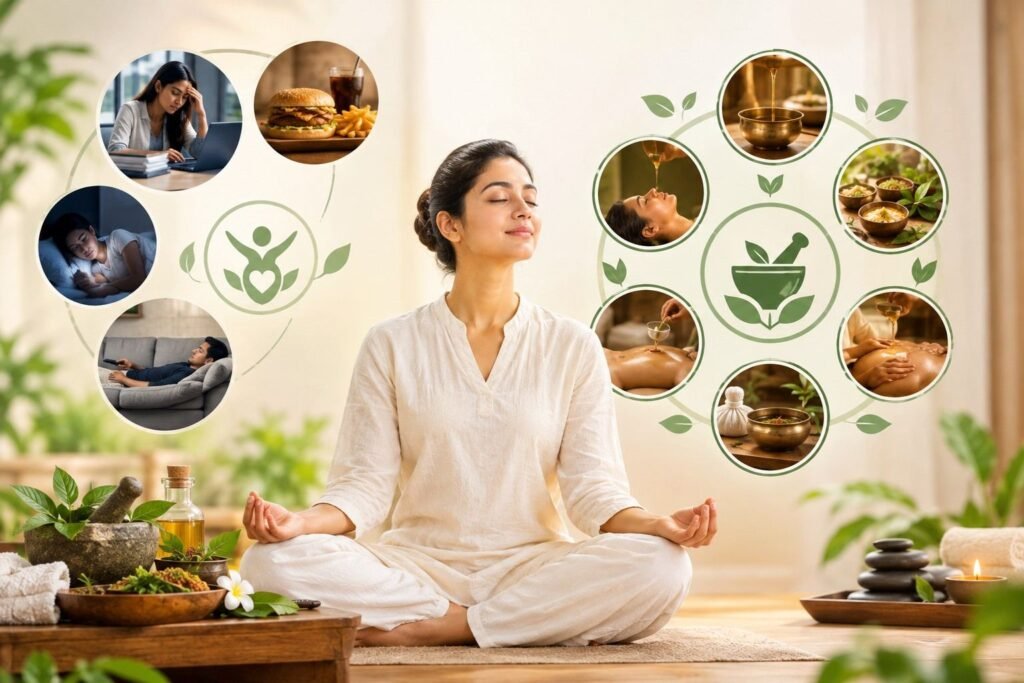
Panchakarma is a traditional component of Ayurveda that includes several distinct procedures requiring individual assessment and, where appropriate, professional supervision. Understanding these procedures and their limitations can help beginners make informed decisions about their wellness options. Before choosing a programme, consult a qualified practitioner at a Trusted Ayurved centre in Ghaziabad, verify the safety arrangements, and avoid relying on guaranteed detox or cure claims. If you are considering Panchakarma in Ghaziabad, begin with a consultation at a reputable Ayurved centre to understand the available treatment options and whether they are suitable for your needs. A thoughtful, safety-conscious approach is more valuable than choosing a treatment based on promises or trends.